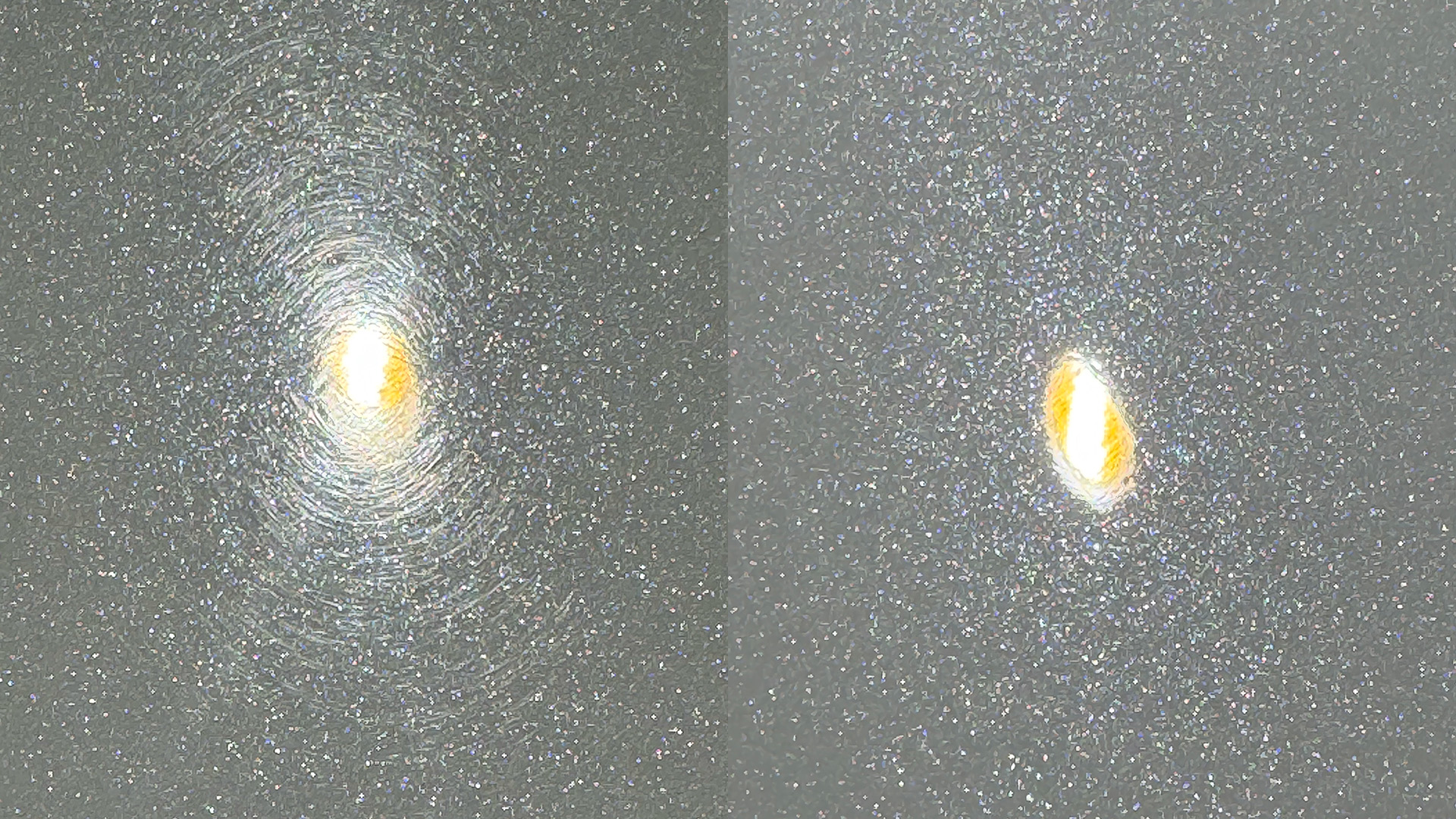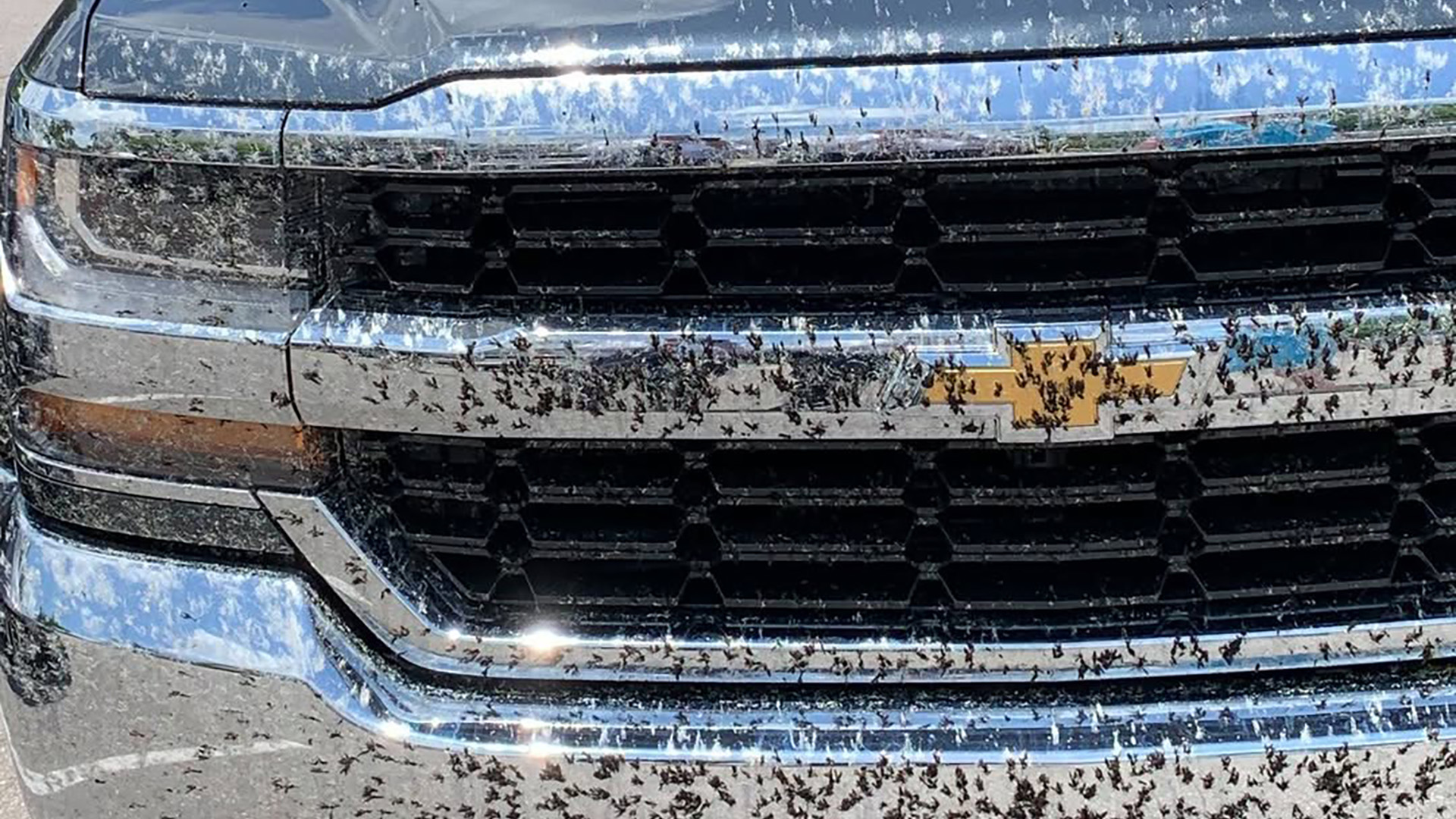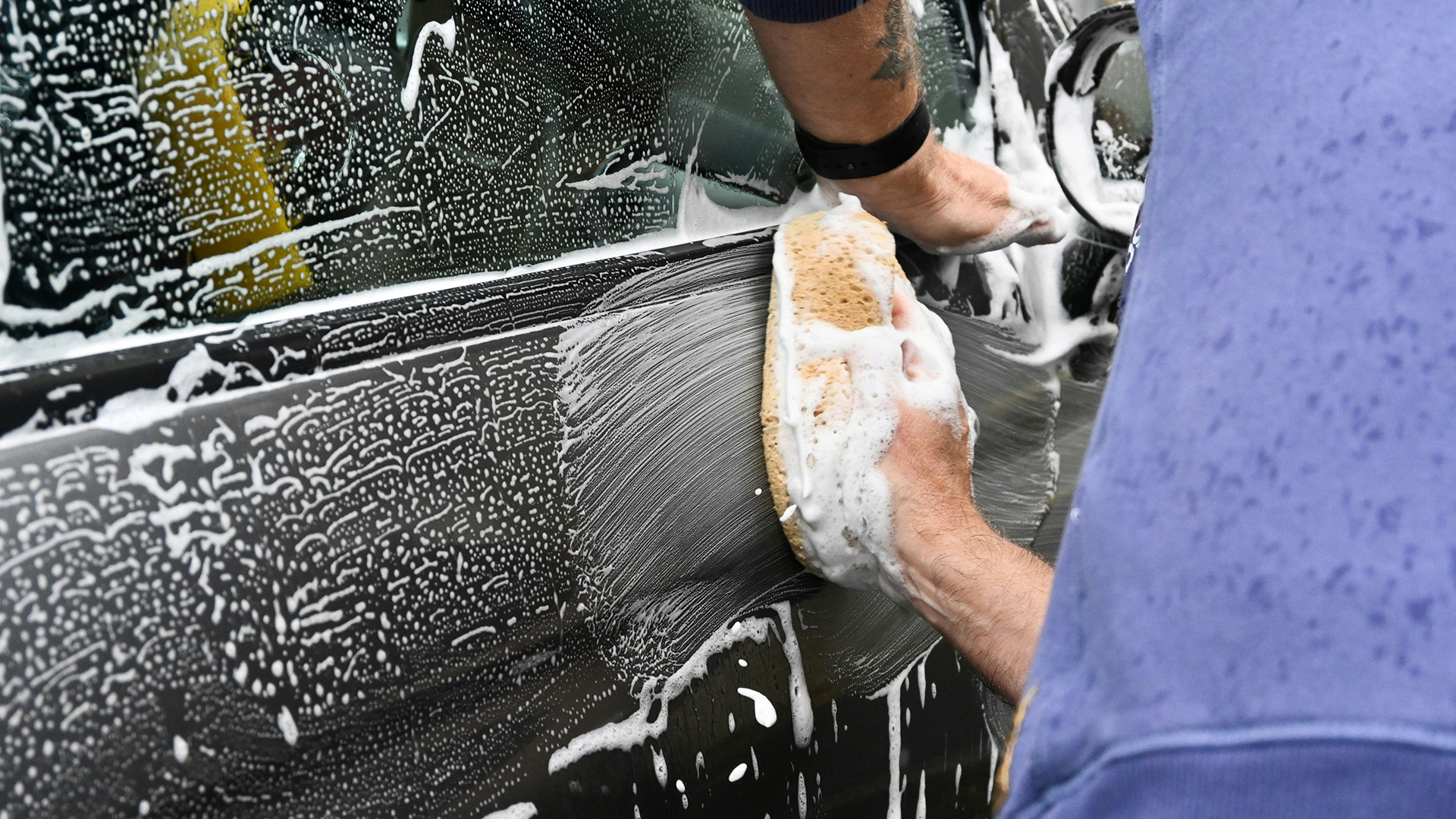
This week we had a client bring in their vehicle after a well-intentioned car wash soap used by their son went sideways. What should’ve been a simple cleanup ended up leaving the paint dull, streaked, and covered in visible run lines down the side of the vehicle.
At first glance, it looked like the clear coat had been permanently damaged.
Thankfully, after inspecting the paint and performing a test spot, we were able to restore the finish with a single-stage polish and bring the gloss back to life.
What Happened?
While we don’t know the exact chemical used, the damage strongly pointed toward a soap or degreaser with a very high alkaline pH level.
Many heavy-duty cleaners, degreasers, APCs (all-purpose cleaners), or even improperly diluted truck wash soaps are designed to aggressively break down grease, grime, road film, and oils. The problem is that on unprotected or neglected paint surfaces, these chemicals can also attack:
- Waxes and sealants
- Oxidized clear coat
- Embedded contamination
- Previously weakened paint surfaces
When these chemicals dry on the paint or are used in direct sunlight, they can leave behind:
- Streaking
- Etching
- Dull or faded areas
- Chemical run lines
- Uneven gloss
In this case, you could clearly see where the chemical ran down the panel and altered the appearance of the finish.
Why Unprotected Paint Is More Vulnerable
Modern automotive clear coat is durable, but it’s not invincible.
Vehicles without protection, especially ones lacking ceramic coatings, sealants, or regular maintenance, are much more susceptible to chemical damage. Over time, UV exposure, contamination, and environmental fallout slowly weaken the surface.
Then one harsh cleaner can expose all of that damage at once.
A properly protected vehicle has a sacrificial layer between the paint and the chemical. That layer helps resist:
- High pH cleaners
- Water spotting
- Environmental fallout
- Chemical staining
Without that protection, the paint takes the hit directly.
The Good News: Not All Hope Is Lost
The good news is that dull or chemically stained paint doesn’t always mean a repaint is needed.
In this case, we performed a single-stage machine polish to remove the affected surface layer and restore clarity and gloss to the paint.
The transformation was dramatic.
The dull haze disappeared, the run lines were eliminated, and the metallic flake came back to life. The vehicle went from looking permanently damaged to looking glossy and healthy again.
How to Avoid This Problem
Here are a few simple ways to prevent chemical damage during a wash:
Use Automotive-Safe Car Wash Soaps
Stick with pH-balanced car wash soaps designed specifically for automotive finishes.
Avoid Heavy Degreasers on Paint
Degreasers should typically stay on wheels, tires, engine bays, or heavily contaminated lower panels — not full paint surfaces unless properly diluted and understood.
Don’t Let Chemicals Dry
Heat and sunlight amplify chemical reactions. Always wash in the shade when possible and rinse thoroughly.
Protect the Paint
Wax, sealants, and ceramic coatings create a protective barrier that helps reduce the risk of chemical staining and oxidation.
When in Doubt, Ask a Professional
Sometimes using the wrong product can create damage in minutes that takes hours to correct.
Our Detail Solution
We see it all the time: someone tries to help wash a vehicle, uses the wrong chemical, and suddenly the paint looks ruined.
The important thing to remember is this:
Just because the paint looks damaged doesn’t always mean it’s permanent.
With proper paint correction techniques, many chemical stains, dulling issues, and wash-related defects can be safely restored.
And in this case, a single-stage polish was all it took to bring this finish back to life